



















Divorce Mediation
Ending a marriage doesn't always mean starting a battle. Mediation can be the best option for divorcing couples who want to prioritize resolution without going to court.
Divorce Mediation Overview
- What Is Divorce Mediation and How Does It Work
- Key Benefits of Choosing Mediation Over Litigation
- Find the Help You Need Near You
- The Step-by-Step Divorce Mediation Process
- Common Issues Resolved During Mediation Sessions
- Practice Areas
- Frequently Asked Questions About Divorce Mediation
- The Role of Legal Counsel in the Mediation Process
- Meet Our Attorneys
- Determining If Your Case Is Right for Mediation
- Expert Strategies, Industry Trends, & Firm News
Often, when people think of divorce, they think of battling spouses who get into massive arguments over property assets. While it is true that many divorces can get contentious, it is usually because the couples are unhappy about the judge’s final decision about who should get what. It doesn’t have to be that way.
Divorce mediation is a viable option for couples to resolve all issues related to their divorce before appearing before a family law judge. At that point, all the judge has to do is confirm that both parties agree to the terms and then sign off on the petition.
If you want to consider divorce mediation, it is not something you do on your own. Your choice of divorce attorney would still represent you. The divorce lawyers at Davis & Associates have helped many couples find a fair, fast resolution to their divorce through mediation. The following guide provides an overview of the divorce mediation process and whether you should consider it for your situation.
What Is Divorce Mediation and How Does It Work
Every divorce petition needs to be signed by a family court judge. Couples can present documentation to the judge, who can then decide all relevant issues, such as property division, alimony, and child custody. That approach can create an imbalance and lead to those heated arguments. With divorce mediation, you can avoid that potential imbalance and animosity.
Divorce mediation is a form of alternative dispute resolution in which a neutral third party works directly with spouses to negotiate the terms of their divorce. The family law mediator allows both sides to craft a mutually acceptable agreement proactively.
It is important to note that the mediator’s role is to remain impartial. Both parties in the divorce will agree to the selection of the mediator. The mediator will then encourage productive discussions and help the divorcing couple resolve any areas of dispute. When a consensus is reached through negotiation and compromise, the mediated settlement can be submitted to the court for final approval.
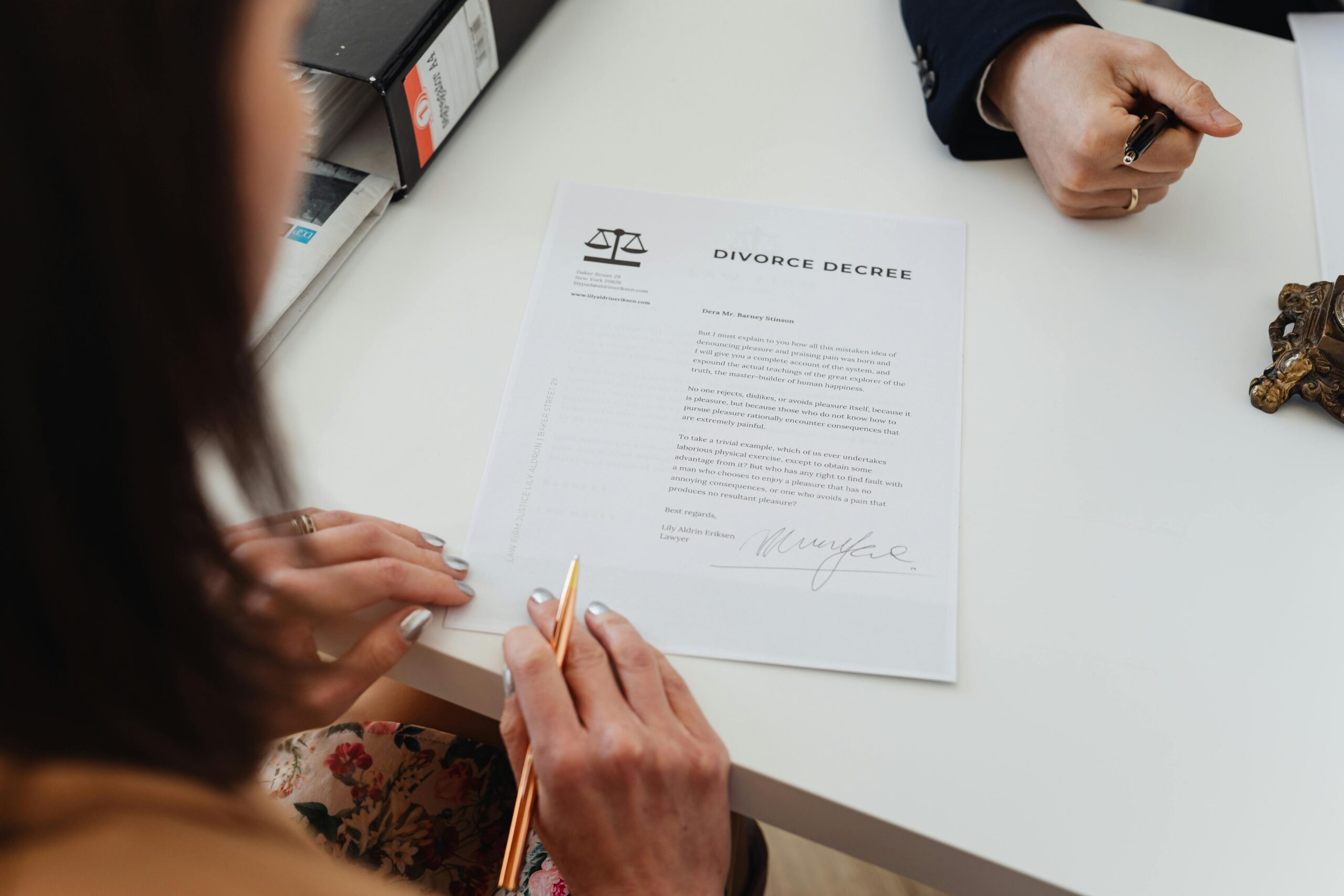
The streamlined mediation process is often less expensive than a contested court battle. Attorney fees for court appearances are often higher than their regular billable hours.
The mediation process allows you to have greater control over the outcome of your divorce. Couples often find that working with a mediator is more personal than with a judge in a courtroom. There is also a greater chance of direct negotiations rather than a judge making a ruling without considering all the dynamics.
The goal of any divorce should be to get it finalized as soon as possible. You won’t be able to move forward until you know what the parameters of the divorce will be. Going through divorce mediation can often be wrapped up in a matter of weeks or months, rather than years. Yes, some disputed divorces can last for years.
The moment you make a filing in court for any matter; it becomes a part of the public record. In a divorce, all transcripts of the proceedings can be read by anyone. Mediation sessions are private. That means the only element that will be public is the final resolution.
One of the most important benefits of divorce mediation is that it encourages collaboration between the divorcing couple. This is especially helpful for parents who intend to enter into a co-parenting arrangement. You definitely want those issues to be resolved before you get to the judge.
- 20+Years of PracticeStrategic family law experience you can rely on.
- 50,000+Clients ServedProven results across divorce and custody matters.
- 50+Locations NationwideWe are local, everywhere.
- 120+Family Law AttorneysFind the right match for you.
The Step-by-Step Divorce Mediation Process
Every divorce is unique. State laws that govern divorce also vary, including the approach to divorce mediation. Typically, mediation follows this kind of structured process:
Step 1: Initial Consultation
At your first meeting with the mediator, they will explain the process, fees, and expectations for resolving the matter. The selection of a mediator has to be agreed on by both parties.
Step 2: Information Gathering
Before mediation begins, both parties must disclose all relevant financial documents and information to the mediator. They will take some time to review the information so that they get a strong sense of what is at play.
Step 3: Issue Identification
Every divorce has a list of issues to resolve. These topics include child custody, property division, and spousal support. You will have the opportunity to present your concerns and desired outcomes to the mediator.
Step 4: Negotiation Sessions
As negotiations begin, the mediator facilitates discussions aimed at reaching a consensus. Each side will have equal time to discuss what is important to them and justify what they’re asking for.
Step 5: Drafting the Agreement
Once the terms of the divorce have been agreed to, a written mediated settlement agreement will be generated.
Step 6: Legal Review and Court Filing
Your attorneys will review the agreement before it is submitted for judicial approval.
It is important to keep in mind that even though you and your spouse are working directly with the mediator, you are still allowed to have your attorney present throughout the entire mediation process.
Common Issues Resolved During Mediation Sessions
Every issue that you would present to a judge in a divorce court can be resolved through divorce mediation. Those issues include the following:
- Child custody
- Parenting time schedules
- Child support
- Spousal support
- Division of marital assets and debts
- Allocation of retirement accounts
The mediation process is especially effective for couples with an uncontested divorce.

A mediated agreement becomes legally binding once it is signed by both parties and incorporated into a final court order or judgment of divorce. Until the judge signs the final decree, the ‘Memorandum of Understanding’ serves as a framework for the legal contract. It is critical to have an attorney review the document to ensure it protects your rights before it becomes final.
Divorce mediation typically costs significantly less than traditional litigation, often saving couples thousands of dollars in legal fees and court costs. While a litigated divorce can cost $15,000 or more per person, mediation fees are usually shared between spouses and focus on hours spent negotiating rather than months of discovery and trial prep. This makes it a highly cost-effective option for most families.
If you cannot reach an agreement on all issues during mediation, you retain the right to take your case to court for a judge to decide. You can also choose to have a ‘partial’ agreement where some issues are settled in mediation while only the remaining disputed topics are litigated. This still saves time and money by narrowing the scope of what the court must address.
The Role of Legal Counsel in the Mediation Process
A mediator is obligated to remain neutral. However, each party is encouraged to consult with their own attorney during the mediation process. Your divorce attorney from Davis & Associations can help you with the following:
- Explaining legal rights and obligations
- Reviewing proposed settlement terms
- Ensuring the agreement is fair and enforceable
When you combine the support of an attorney you trust with the objectivity of the mediator, it will help protect your interests while preserving the cooperative nature of the process.
Determining If Your Case Is Right for Mediation
Mediation is a viable option to navigate the divorce process quickly and efficiently, but it might not be suitable in all divorce cases. The best way to determine if mediation is a good option for your situation is if you meet the following criteria:
- Both spouses are willing to negotiate in good faith.
- There is a desire to minimize conflict.
- The parties want to control costs and timelines.
The divorce cases where mediation is not a good option typically involve domestic violence or when one party is not willing to disclose financial information. At that point, you may require court intervention to order compliance. If you’re unsure whether mediation is a good option to pursue for your divorce, you should discuss it with the legal team at Davis & Associates.



Get In Touch
Change Starts With a Conversation

Schedule a Consultation
Schedule a Consultation
Schedule a call now to discuss your situation with caring legal professionals.
